































































AI Governance Business Context Business-Specific Accuracy: A Practical Enterprise Guide
-
Onstipes / 3 weeks
- December 20, 2025
- 0
- 7 min read


AI governance business context business-specific accuracy has become a critical concern as organizations increasingly rely on AI-driven decisions. Businesses are no longer satisfied with models that are only technically accurate; they need AI systems that deliver results aligned with real-world operational needs.
In many cases, AI models perform well in testing environments but fail when applied to actual business scenarios. This gap highlights why governance frameworks must consider business context, industry rules, and decision impact rather than relying solely on generic accuracy metrics.
Business-specific accuracy ensures that AI outputs support strategic goals, regulatory compliance, and risk management. Without this alignment, even highly advanced AI systems can produce outcomes that harm trust, finances, or safety.
As enterprises scale AI adoption, embedding contextual accuracy into AI governance is no longer optional. It has become a foundation for responsible, sustainable, and value-driven AI implementation.
Understanding AI Governance in Modern Enterprises
AI governance has become essential as organizations integrate artificial intelligence into critical business operations. It provides structured oversight to ensure AI systems operate responsibly, transparently, and in alignment with business goals.
Modern enterprises use AI governance to define rules around data usage, model deployment, and decision accountability. These rules help reduce risks associated with biased outputs, compliance failures, and uncontrolled automation.
As AI adoption grows, governance frameworks also help bridge the gap between technical teams and business leaders. This ensures that AI decisions are understandable and defensible across departments.
Without strong governance, AI systems may deliver technically accurate results that conflict with business policies or ethical standards. This makes governance a key pillar of long-term AI success.
Why Business Context Is Critical for AI Decision-Making
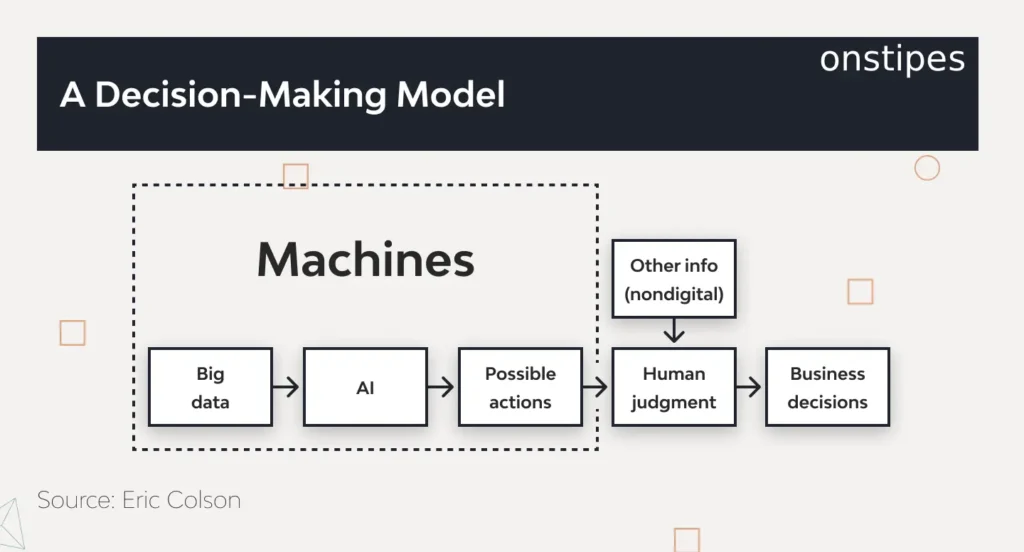
Business context defines how AI outputs should be interpreted and applied within an organization. Without context, even accurate predictions can lead to poor or risky decisions.
Different industries have different tolerance levels for error. A small mistake in marketing may be acceptable, but the same error in healthcare or finance can cause serious consequences.
AI models trained on generic data often fail to capture internal policies, customer behavior, or operational constraints. Business context ensures AI decisions reflect real organizational conditions.
Incorporating context also improves trust among stakeholders. Executives and regulators are more confident when AI decisions align with known business rules and objectives.
Ultimately, business context transforms AI from a technical tool into a strategic decision-making asset.
Defining Business-Specific Accuracy in AI Systems
Business-specific accuracy measures how well AI outputs support real business decisions. It goes beyond technical correctness and focuses on practical outcomes.
An AI model may achieve high statistical accuracy yet still fail to meet business expectations. This often happens when results ignore policies, risk thresholds, or operational realities.
Organizations define business-specific accuracy by aligning AI performance with key performance indicators. These may include revenue impact, compliance rates, or customer satisfaction.
Human oversight plays a vital role in validating accuracy within context. Review processes help ensure AI decisions remain appropriate for business use.
By prioritizing business-specific accuracy, companies reduce risk and increase the value derived from AI investments.
How Generic AI Accuracy Metrics Fall Short for Businesses
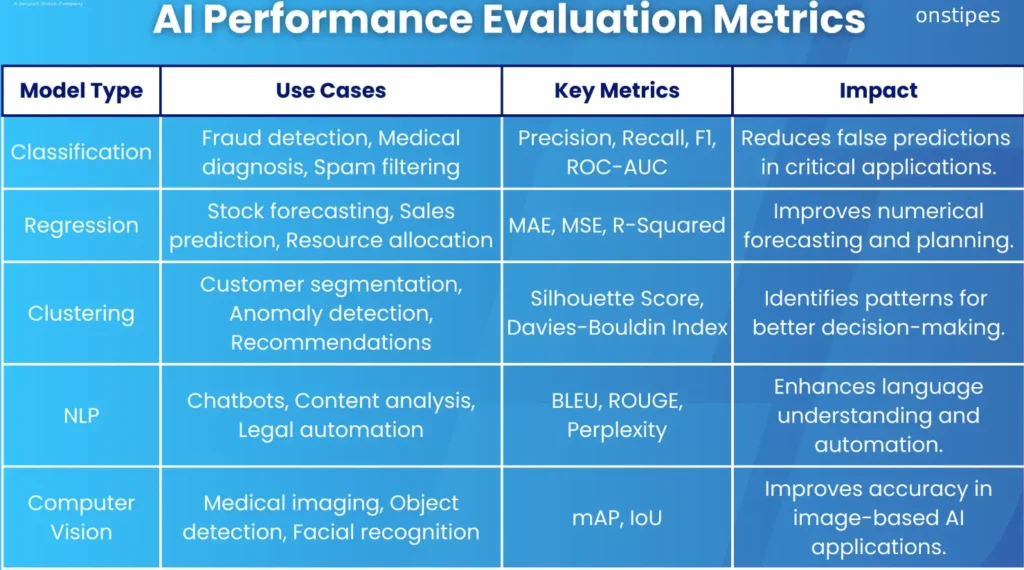
Generic AI accuracy metrics focus mainly on technical performance. Metrics like precision or recall often fail to reflect real business consequences.
These measurements do not account for regulatory rules, ethical standards, or financial risk. As a result, AI systems may appear successful while causing operational problems.
In business environments, a single incorrect decision can outweigh thousands of correct predictions. Generic metrics rarely capture this imbalance.
Another limitation is that technical accuracy ignores changing business conditions. Markets, customer behavior, and policies evolve faster than static models.
To overcome these gaps, businesses must supplement technical metrics with governance-driven accuracy measures tied to real outcomes.
The Role of Governance Frameworks in Context-Aware AI
Governance frameworks provide the structure needed to manage AI responsibly. They define how AI systems should behave within specific business contexts.
These frameworks set standards for data quality, model approval, and decision accountability. This helps ensure AI outputs remain aligned with organizational policies.
Context-aware governance also clarifies who is responsible when AI decisions impact business outcomes. Clear ownership reduces confusion and risk.
Regular monitoring and audits are central to governance frameworks. They allow businesses to detect accuracy drift as conditions change.
By enforcing governance frameworks, organizations create AI systems that are reliable, compliant, and business-aware.
Aligning AI Outputs with Business Objectives and Policies
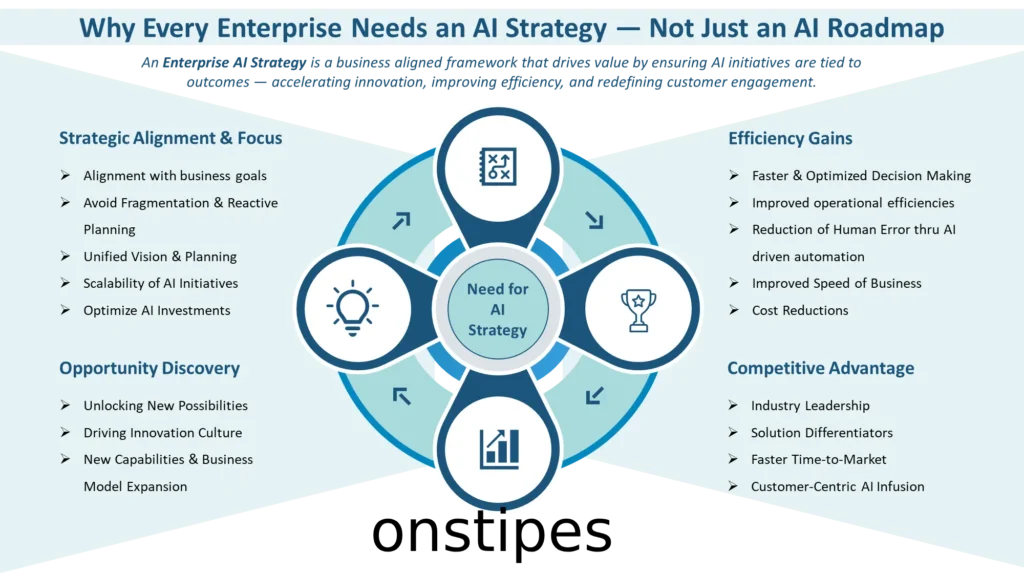
Aligning AI outputs with business objectives ensures that AI systems support strategic goals. This alignment prevents technically correct results from causing operational harm.
Business policies act as boundaries for AI decision-making. They define what outcomes are acceptable, ethical, and compliant within an organization.
When AI models ignore internal policies, they can create legal or reputational risks. Governance mechanisms help embed these rules directly into AI workflows.
Cross-functional collaboration is essential for alignment. Business leaders, compliance teams, and data scientists must work together to guide AI behavior.
Strong alignment transforms AI into a reliable decision-support tool rather than an isolated technical solution.
Risk Management Challenges in Business-Specific AI Accuracy
Managing risk is one of the biggest challenges in business-specific AI accuracy. AI systems can amplify errors when deployed at scale.
One key risk is relying too heavily on automated decisions. Without human oversight, small inaccuracies can lead to significant business losses.
Regulatory uncertainty also increases risk. Laws and compliance requirements evolve, and AI models may struggle to adapt quickly.
Data quality issues further complicate risk management. Incomplete or biased data can undermine accuracy within a business context.
Effective risk management requires continuous monitoring, governance controls, and periodic model reviews.
Industry Examples of Context-Driven AI Accuracy Failures
In the financial sector, AI systems have rejected qualified applicants due to rigid risk models. These decisions were statistically accurate but misaligned with business and fairness policies.
Healthcare organizations have faced issues where AI tools suggested correct diagnoses yet ignored patient history. This lack of context reduced trust and safety.
Retail companies have deployed recommendation systems that increased clicks but lowered profit margins. The AI failed to account for inventory and pricing strategies.
In human resources, AI screening tools have excluded suitable candidates by overvaluing historical data. This resulted in biased outcomes and compliance concerns.
These examples show why accuracy must always be evaluated within the relevant business context.
Best Practices for Monitoring Accuracy in Governed AI Models
Continuous monitoring is essential for maintaining AI accuracy in business environments. AI performance can degrade as data and conditions change.
Organizations should track both technical metrics and business outcomes. This dual approach ensures accuracy remains meaningful and relevant.
Regular audits help identify bias, drift, and compliance issues early. These reviews protect businesses from long-term risks.
Human-in-the-loop processes strengthen monitoring efforts. Expert reviews validate AI decisions before they impact critical operations.
By adopting structured monitoring practices, businesses maintain trust and reliability in governed AI systems.
Future Trends in AI Governance and Contextual Accuracy
AI governance is evolving as businesses demand more accountability from AI systems. Future frameworks will place greater emphasis on business-specific accuracy.
Organizations are moving toward adaptive governance models. These systems adjust accuracy standards based on changing business risks and environments.
Explainable AI will play a larger role in contextual accuracy. Clear explanations help decision-makers validate AI outputs.
Regulatory pressure will also increase. Businesses will need stronger governance to meet legal and ethical expectations.
As AI matures, contextual accuracy will become a competitive advantage rather than a compliance requirement.